
Bolivia and the Vatican Between Two Centenaries

Some milestones in the relations between Bolivia and the Vatican over the past century are described, from the appointment of the first nuncio to the renewed form of coexistence in our days.
Bolivia and the Vatican: From Symbiosis to Full Relations (1877-1925)
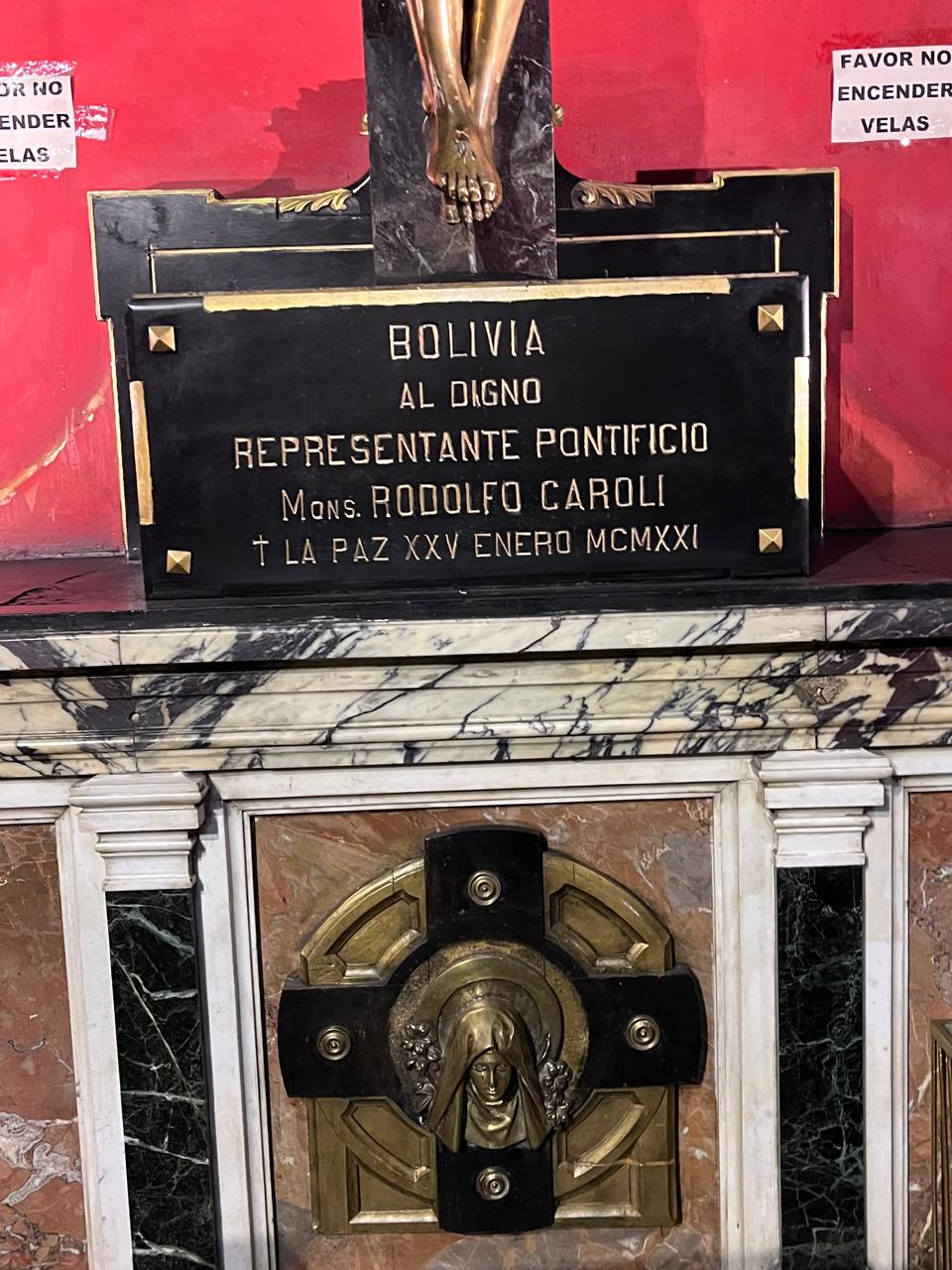
The evolution of diplomatic relations between Bolivia and the Holy See between 1877 and 1925 passed through stages of collaboration, strong controversies, and the establishment of full relations. Two figures stand out for different reasons: future Cardinal Pietro Gasparri and Internuncio Rodolfo Caroli.
Relations between Bolivia and the Vatican: An Approach to Their “Prehistory”

This article examines the “prehistory” of diplomatic relations between Bolivia and the Holy See (1825–1877). Through a review of key milestones, such as the failed ratification of the 1851 Concordat, it concludes that it was only in 1877, with the appointment of Monsignor Mario Mocenni, that the beginning of bilateral relations was formally consolidated, thereby establishing the starting point for the forthcoming sesquicentennial of this diplomatic relationship.
Between Self-Defense and Revenge
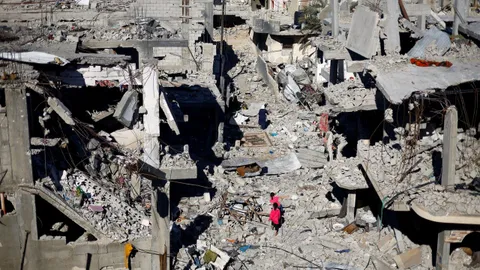
The conviction of an Italian jeweler for killing two fleeing robbers underscores the contentious divide between self-defense and vigilante justice. By ruling that his disproportionate use of force constituted a crime rather than protection, the court emphasized that maintaining the rule of law requires rejecting extrajudicial retaliation, a principle that serves as a vital, if challenging, benchmark for both personal conduct and global geopolitical stability.
He Couldn’t Speak, But He Sang at the Top of His Lungs
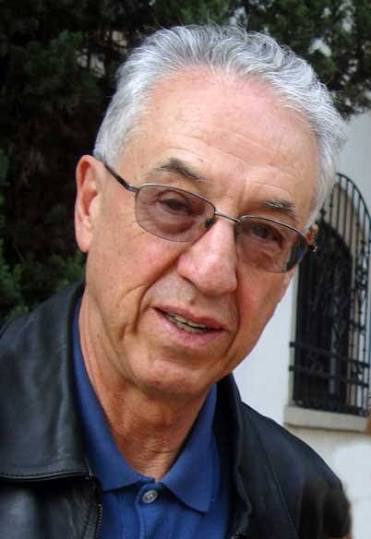
Antonio Araníbar Quiroga was an upright apostle of politics and a martyr for democracy who endured decades of exile with dignity. Personal memories of the austerity of his private life, our professional collaboration, and the moving sight of him singing the national anthem despite his physical limitations at the end of his life highlight an admirable public figure who leaves an indelible mark on the history of Bolivia.
The Pantry

The historical evolution of the pantry, from its origins as a fundamental physical space for survival against environmental hardships to its current reinterpretation as a metaphor for financial planning during retirement, culminates in the realization that true human security lies in cultivating a legacy of imperishable values, the ultimate provision against the finitude of existence.
Mario Argollo and Donald Trump: Parallel (Wasted) Lives
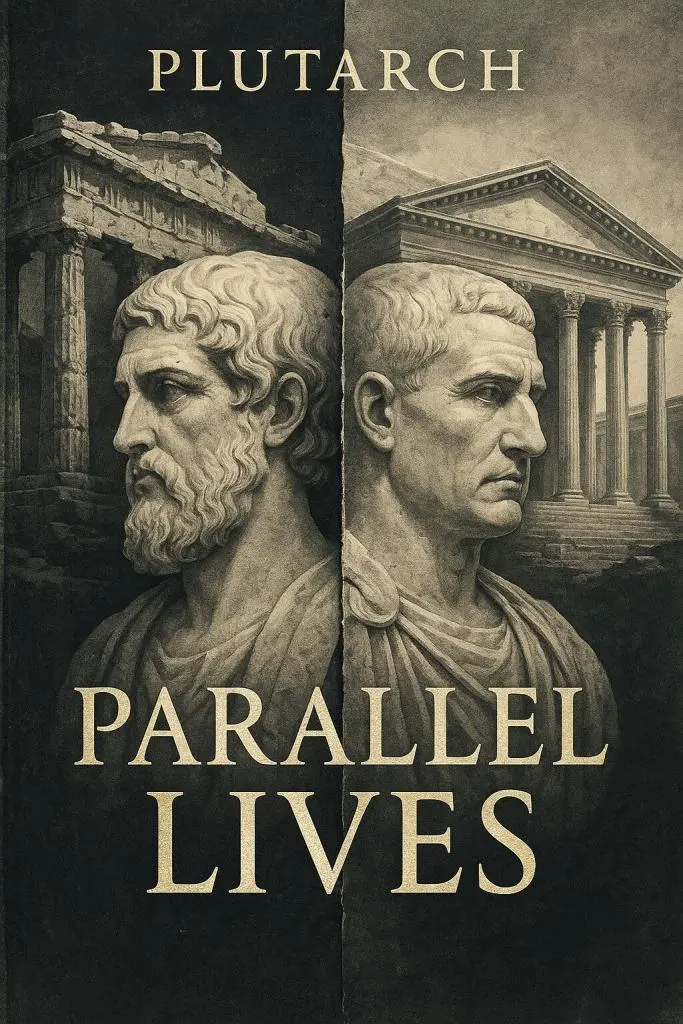
There is a critical parallel between Mario Argollo, leader of the Central Obrera Boliviana, and Donald Trump, in that both have undertaken destructive social and geopolitical conflicts driven by questionable motivations and using similar strategies. After failing in their initial objectives and encountering unexpected resistance, both figures are seeking a negotiated exit to preserve their own political survival in the face of the attrition of their respective conflicts.
The Red Lines of Social Conflicts
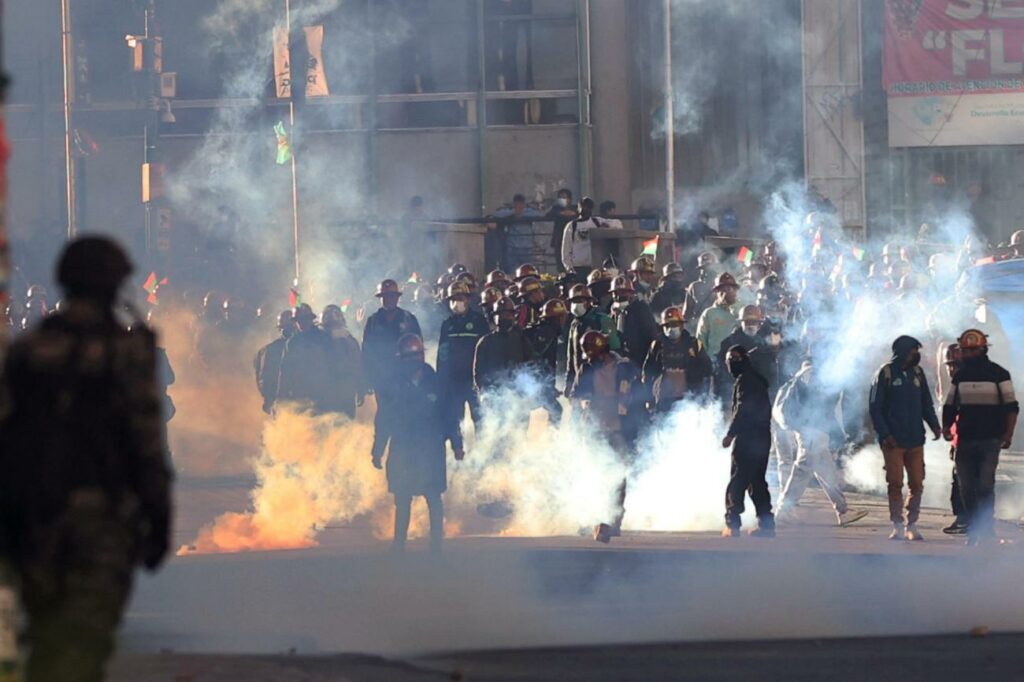
In the social conflict currently ravaging Bolivia, the government seems to have paradoxically opted for non-violence in the face of the extreme aggression of the mobilized sectors. Given Bolivia’s experience in this matter, it seems sensible to set some “red lines” for protest. If these red lines are crossed, the weight of the law, through trials and compensation for damages, must fall with full rigor upon those responsible for overstepping them.
The Thucydides Trap and Bolivian Politics
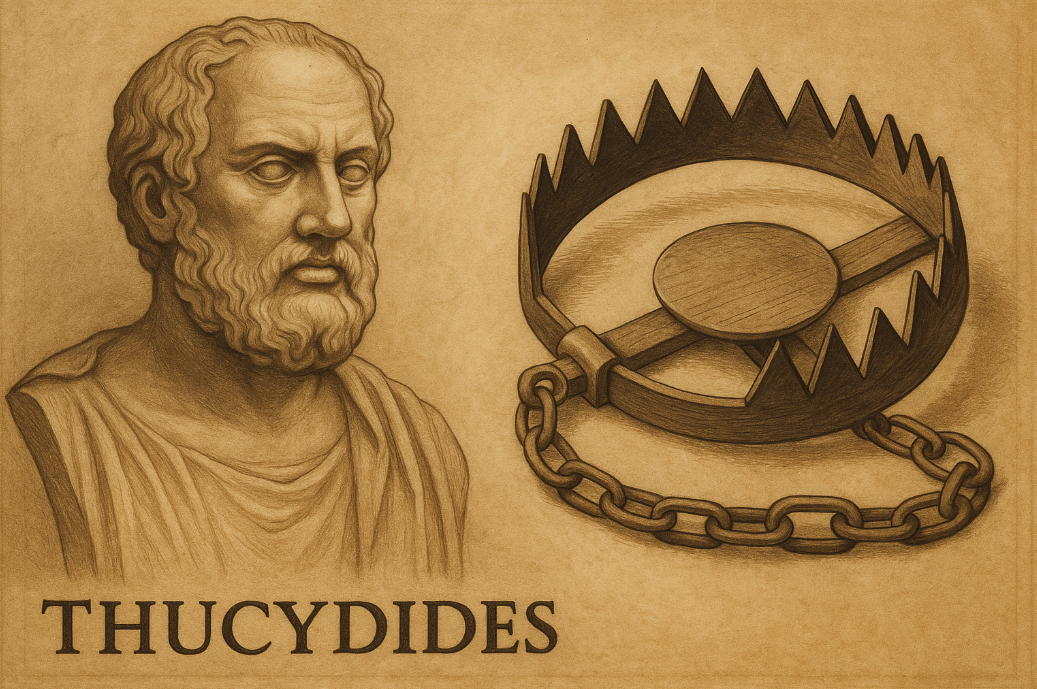
The Graham Allison’s “Thucydides Trap”—the historical tendency for established powers to clash with rising ones— is applied to analyze contemporary challenges in Bolivia, specifically regarding political governance and the energy transition.
The Anarchist Prince Who Challenged Darwin, Lenin, and Leo XIII
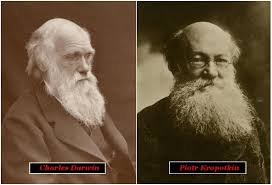
Piotr Kropotkin, a naturalist and anarchist thinker, refuted the distortion of Social Darwinism by demonstrating that cooperation and mutual aid are essential biological factors for survival, beyond mere competition. In his work, he challenged both savage capitalism and authoritarian statism and hierarchies. His legacy resonates today in cooperative structures such as those in Bolivia and proposes a third way against extreme individualism and state control, centered on reciprocal aid for the common good.