
Bolivia and the Vatican Between Two Centenaries

Some milestones in the relations between Bolivia and the Vatican over the past century are described, from the appointment of the first nuncio to the renewed form of coexistence in our days.
Bolivia and the Vatican: From Symbiosis to Full Relations (1877-1925)
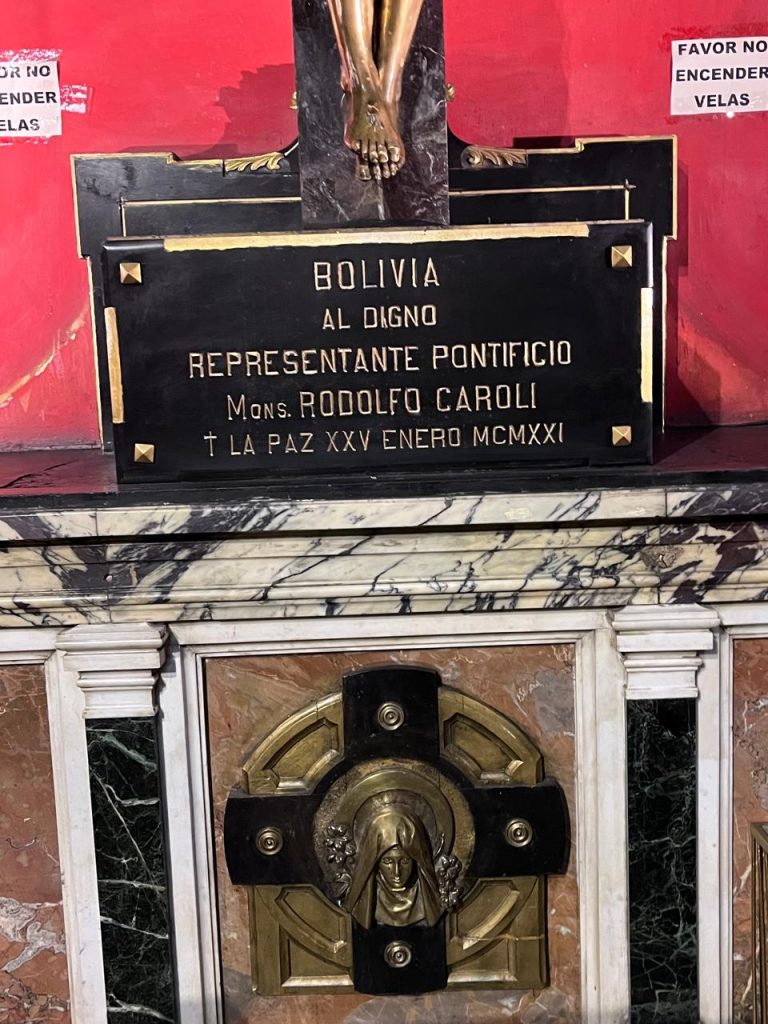
The evolution of diplomatic relations between Bolivia and the Holy See between 1877 and 1925 passed through stages of collaboration, strong controversies, and the establishment of full relations. Two figures stand out for different reasons: future Cardinal Pietro Gasparri and Internuncio Rodolfo Caroli.
He Couldn’t Speak, But He Sang at the Top of His Lungs
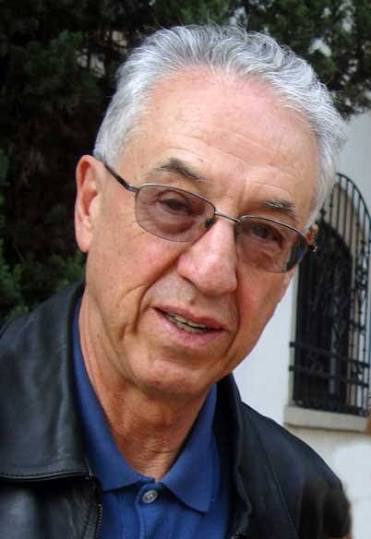
Antonio Araníbar Quiroga was an upright apostle of politics and a martyr for democracy who endured decades of exile with dignity. Personal memories of the austerity of his private life, our professional collaboration, and the moving sight of him singing the national anthem despite his physical limitations at the end of his life highlight an admirable public figure who leaves an indelible mark on the history of Bolivia.
The Anarchist Prince Who Challenged Darwin, Lenin, and Leo XIII
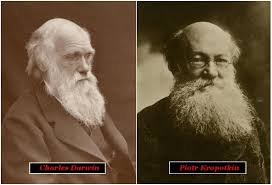
Piotr Kropotkin, a naturalist and anarchist thinker, refuted the distortion of Social Darwinism by demonstrating that cooperation and mutual aid are essential biological factors for survival, beyond mere competition. In his work, he challenged both savage capitalism and authoritarian statism and hierarchies. His legacy resonates today in cooperative structures such as those in Bolivia and proposes a third way against extreme individualism and state control, centered on reciprocal aid for the common good.
Pope Francis: His Legacy One Year After His Departure
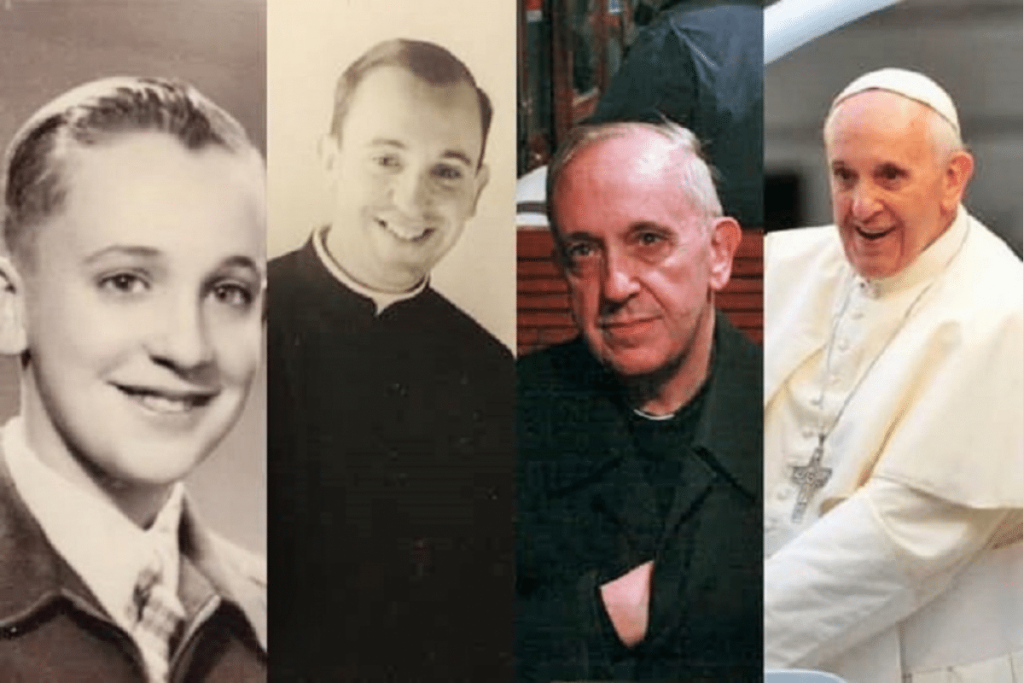
My tribute to Pope Francis on the first anniversary of his death, through this column that synthesizes the lecture I gave at the Saint Jerome Seminary in La Paz. Francis was a pontiff who profoundly renewed the life of the Church and provided fundamental guidance to humanity.
The Royal Physician Who Lost His Head for the Queen and the Enlightenment

n 1770, J.F. Struensee rose from royal physician to “de facto” regent of Denmark and, in just two years, pushed through radical reforms in line with the Enlightenment. When his affair with the Queen became known, he was beheaded in 1772. Although his reforms were reversed, his legacy endures in today’s progressive Denmark.
Sowing friendships

In this column I reflect on cultivating friendships throughout life. I prefer to visit friends rather than do conventional tourism, practicing hospitality and maintaining ties with people from different stages and countries. I highlight a talk about my late tutor, Bruno Touschek, in a school titled to his memory, rekindling meaningful memories and connections.
The Church’s contribution to the construction of Bolivia
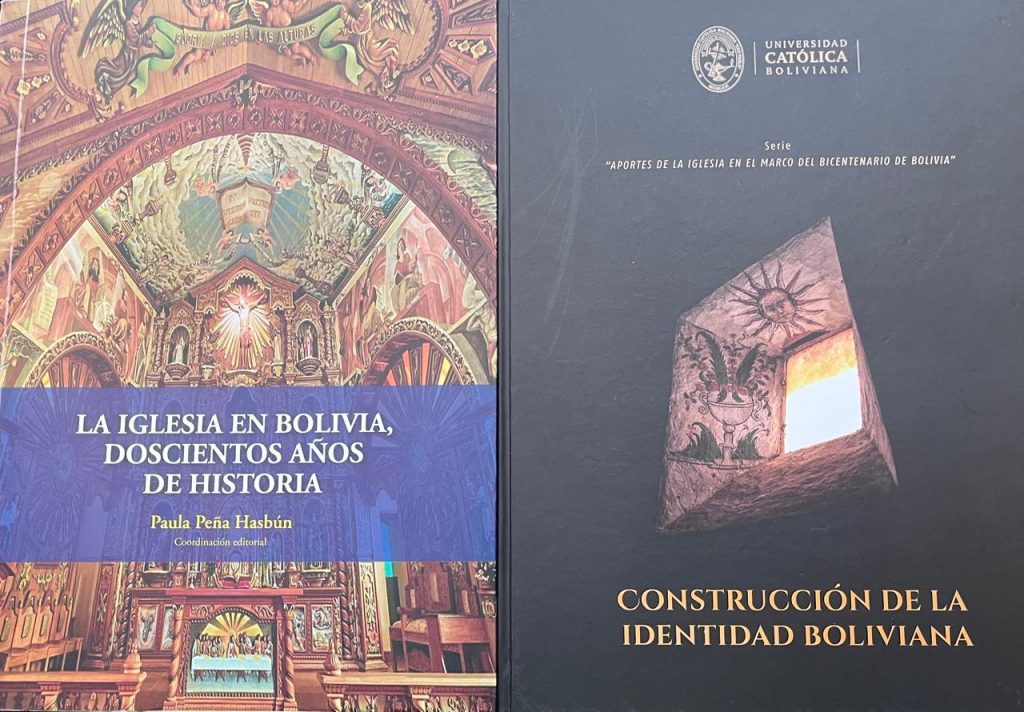
On Bolivia’s bicentennial of independence, the article emphasizes the Catholic Church’s pivotal role in shaping the nation’s identity since before its founding, spanning education, social works, communication, culture, art, and science. Through publications by the Bishops’ Conference and the Catholic University, the Church’s missionary essence is highlighted, including training professionals in institutions like Fe y Alegría and Escuelas Don Bosco, preserving indigenous languages and cultures, creating media, and defending truth and democracy. It has provided social assistance to the marginalized where the State falls short, despite some human failings. Described as a precious jewel, the Church’s enduring legacy shines brightly in Bolivia, though not without flaws.
Scientific research in the Bicentenary

The column is about the relevance of Research an Development (R+D) for Bolivia in its Bicentenary. Natural laboratories and horizontal cooperation are the clues for successful research.
PLANET WATER

This column is about the book “Agua” (water) by Dr. Hernán Vera Ruiz and some peculiar properties of the element of life