


The Perfect Storm for YPFB: Between Internal Sabotage and Global Chaos

Bolivia stands at a crossroads: caught between YPFB’s inefficiency and a global crisis pushing crude oil to $100, Rodrigo Paz’s government faces the dilemma of choosing between the hunger of inflation or the plague of a deficit. With no strategic reserves or foreign currency, the only real way out is aggressive energy diplomacy and a gradual transition toward renewable sources to break the dependency on hydrocarbons.
Four Years of Energy Terror

In the war sparked by the invasion of Ukraine four years ago, Russia employs energy terror by destroying the Ukrainian power grid, causing massive blackouts and a humanitarian crisis in -20°C winters. Ukraine responds with drones targeting Russian refineries, reducing oil production and worsening their fiscal deficit. Energy is a human basic need; energy terror should be outlawed as a crime against.
Energy Storage
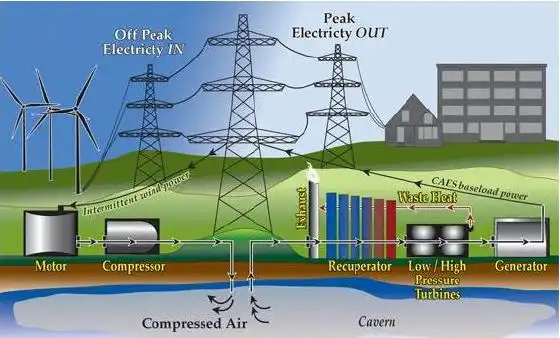
This article analyzes the viability of the energy transition, arguing that while renewable sources are now more cost-effective than fossil fuels, the primary challenge remains their inherent intermittency. By exploring various storage solutions, technical solutions exist despite their added costs. Focusing on Bolivia, a comprehensive Energy Transition Plan that democratizes generation through regulatory incentives and attracts diverse private and community investment is mandatory.
Paradoxes of “Dignified Death”

There are several contradictions within the debate on euthanasia, contrasting modern medicine’s success in prolonging life with the contemporary tendency to seek assisted death in the face of suffering. Examples include therapeutic obstinacy versus the desire to control the end of existence, and the dehumanization inherent in comparing a dignified death to the putting down of animals. Likewise, caring for the elderly and the terminally ill offers an opportunity for spiritual and human growth. Finally, concepts such as “quality of life” are relative to each culture and, from a Christian perspective, the natural process of dying and the mystery of pain hold a profound value.
The Dilemmas of Tariquía

Bolivia currently faces a critical economic juncture, forcing the government to choose between economic stabilization and environmental conservation. The discovery of the DMO-X3 well near the Tariquía National Reserve epitomizes this dilemma: while the potential 2 TCF of gas could provide vital foreign currency and energy security through exports, the project faces intense opposition due to its proximity to a protected ecosystem and indigenous lands. Ultimately, the situation suggests a shift toward a strategic energy transition, where new gas finds are exported to maximize revenue while the domestic power grid aggressively pivots toward renewable sources to reduce internal gas dependency.
Brief Yearbook of the Energy Sector

A review is made of the milestones of 2025 in the Bolivian energy sector—mostly negative—and pathways for reactivation are suggested based on DS 5503, amid the ongoing hydrocarbons crisis.
The (Discordant) Accounts of Christmas

Christmas is composed of various elements, but not all of them come from the same source. Luke narrates episodes that are unknown to Matthew and vice versa. Other elements have been added by later tradition. The article compares the accounts of Luke and Matthew and highlights the different motivations of the two evangelists.
Energy Transition or Energy Diversification?

Due to the reality of the Bolivian energy sector, various arguments advocate for an energy transition rather than mere “diversification” or a simple change in the energy mix, as the new Minister of Hydrocarbons intends.
