
Bolivia and the Vatican Between Two Centenaries

Some milestones in the relations between Bolivia and the Vatican over the past century are described, from the appointment of the first nuncio to the renewed form of coexistence in our days.
Bolivia and the Vatican: From Symbiosis to Full Relations (1877-1925)
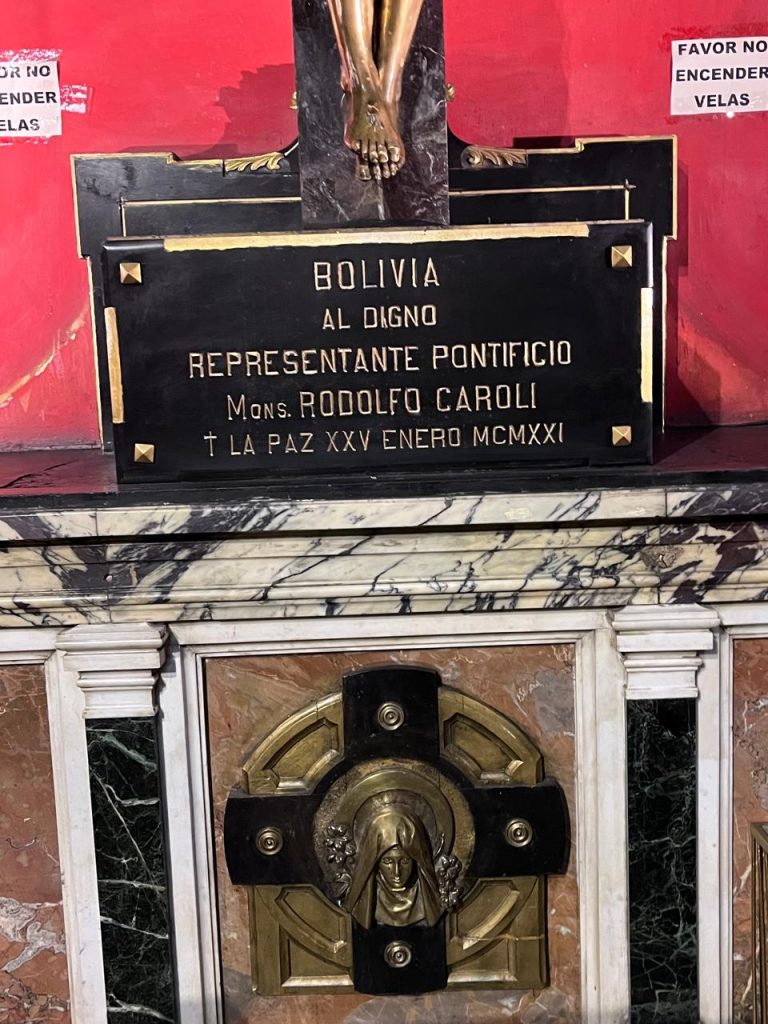
The evolution of diplomatic relations between Bolivia and the Holy See between 1877 and 1925 passed through stages of collaboration, strong controversies, and the establishment of full relations. Two figures stand out for different reasons: future Cardinal Pietro Gasparri and Internuncio Rodolfo Caroli.
Between Self-Defense and Revenge
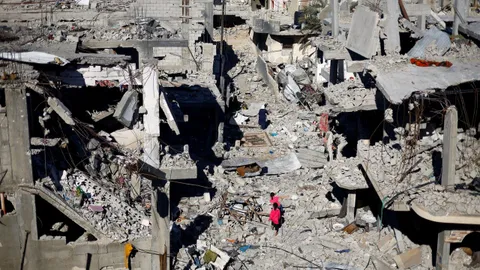
The conviction of an Italian jeweler for killing two fleeing robbers underscores the contentious divide between self-defense and vigilante justice. By ruling that his disproportionate use of force constituted a crime rather than protection, the court emphasized that maintaining the rule of law requires rejecting extrajudicial retaliation, a principle that serves as a vital, if challenging, benchmark for both personal conduct and global geopolitical stability.
The Red Lines of Social Conflicts
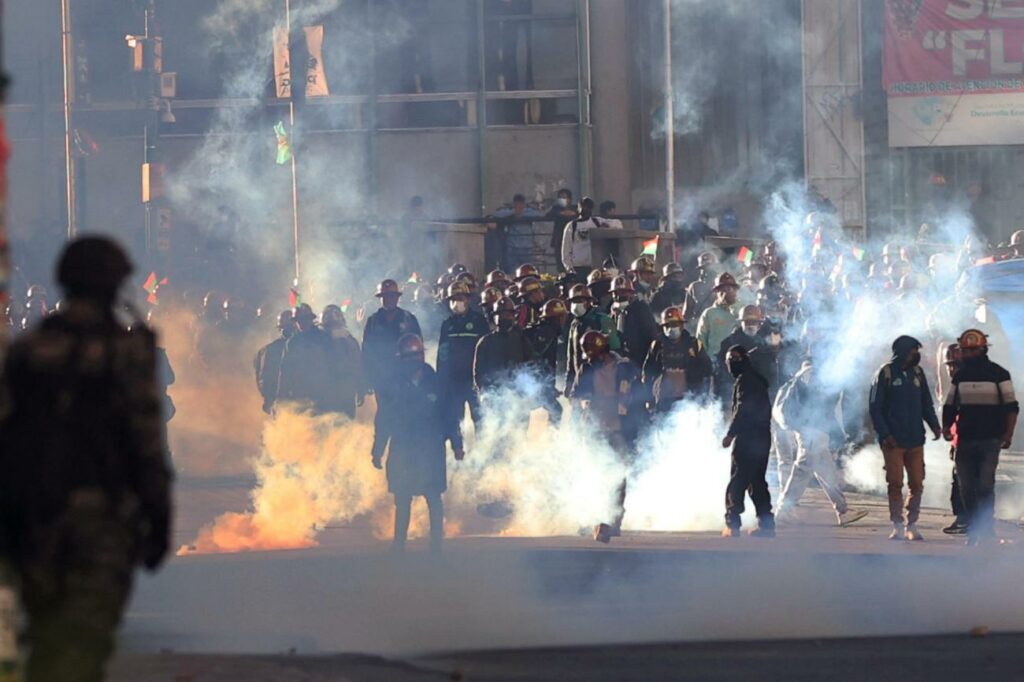
In the social conflict currently ravaging Bolivia, the government seems to have paradoxically opted for non-violence in the face of the extreme aggression of the mobilized sectors. Given Bolivia’s experience in this matter, it seems sensible to set some “red lines” for protest. If these red lines are crossed, the weight of the law, through trials and compensation for damages, must fall with full rigor upon those responsible for overstepping them.
Pope Francis: His Legacy One Year After His Departure
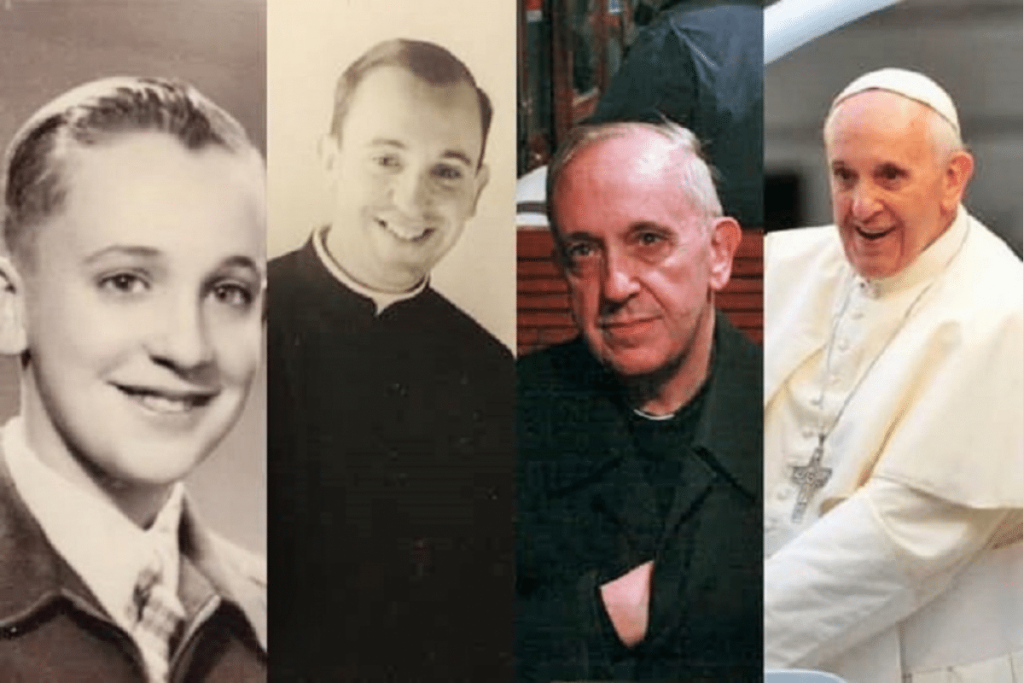
My tribute to Pope Francis on the first anniversary of his death, through this column that synthesizes the lecture I gave at the Saint Jerome Seminary in La Paz. Francis was a pontiff who profoundly renewed the life of the Church and provided fundamental guidance to humanity.
Paradoxes of “Dignified Death”

There are several contradictions within the debate on euthanasia, contrasting modern medicine’s success in prolonging life with the contemporary tendency to seek assisted death in the face of suffering. Examples include therapeutic obstinacy versus the desire to control the end of existence, and the dehumanization inherent in comparing a dignified death to the putting down of animals. Likewise, caring for the elderly and the terminally ill offers an opportunity for spiritual and human growth. Finally, concepts such as “quality of life” are relative to each culture and, from a Christian perspective, the natural process of dying and the mystery of pain hold a profound value.
The (Discordant) Accounts of Christmas
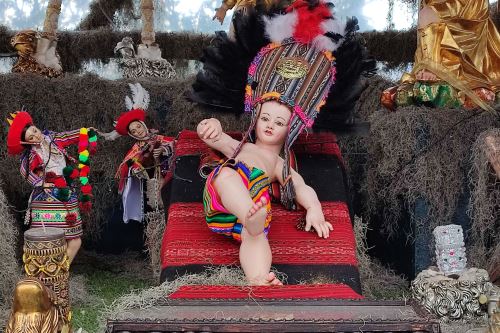
Christmas is composed of various elements, but not all of them come from the same source. Luke narrates episodes that are unknown to Matthew and vice versa. Other elements have been added by later tradition. The article compares the accounts of Luke and Matthew and highlights the different motivations of the two evangelists.
Metaphysics and Physics Facing the Preferential Option for Matter

The article advocates for a balance between physics (which explains the “how”) and metaphysics (which seeks the ultimate “why”). A recent LHCb discovery at CERN potentially explains why, after the Big Bang, matter survived while almost no antimatter did (instead of mutually annihilating). Although the evidence remains preliminary, it strengthens the idea that the universe exhibited a “preferential option for matter” by breaking fundamental symmetries, keeping both the scientific enigma and the vibrant frontier between physics and metaphysics very much alive.
Lourdes
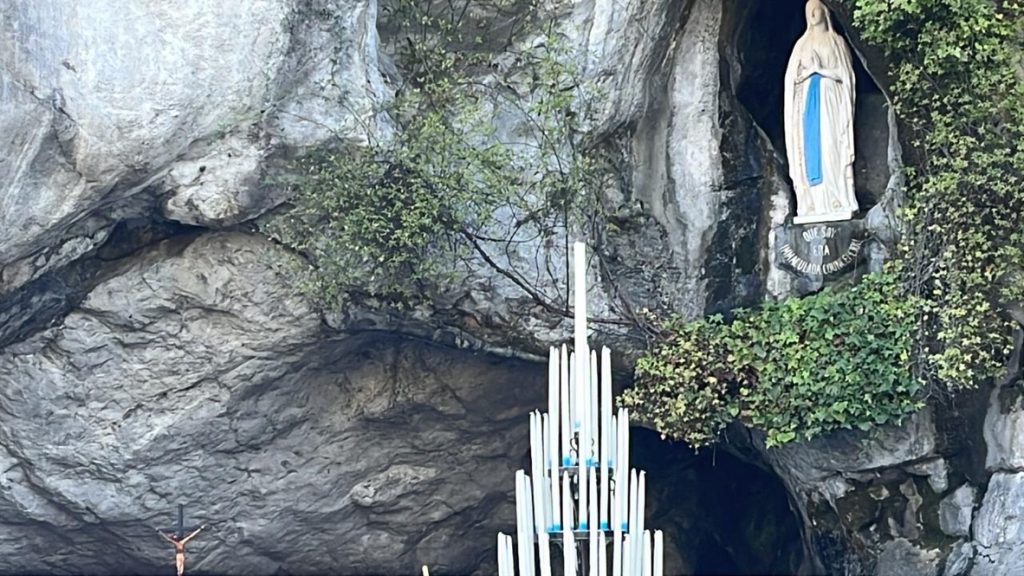
Lourdes is much more than the 72 miracles certified in 167 years since the apparitions of the Virgin to Bernadette Soubirous in 1858.
Lourdes, an important Christian destination, is characterized by its purifying water, its spiritual climate of peace and ceremonies such as the torchlight procession.
In addition to physical healings, the author experienced personal “other miracles”: a reunion with a Bolivian friend in Paris, an unexpected seat at a packed Mass with cancer survivors like himself, and the miraculous recovery of a lost hearing aid. A prayer for the healing of Bolivia from populism could not be missing, trusting in a change with the new government.
The Council of Nicaea and the Heresies of the MAS: An Analogy

As at the time of the Council of Nicaea, today in Bolivia the problem of that religious congregation that is the “Grupo de Puebla” is the heresies of the Movement Towards Socialism, MAS, based on mutiny to the absolute power of “father Evo”, the timid rebellion of the “son Andronico” and the rout of the patriarchs (David and Lucho), whereas the disoriented disciples wander toward new horizons of (Rodrigo) Paz.