
The Dilemmas of Tariquía

Bolivia currently faces a critical economic juncture, forcing the government to choose between economic stabilization and environmental conservation. The discovery of the DMO-X3 well near the Tariquía National Reserve epitomizes this dilemma: while the potential 2 TCF of gas could provide vital foreign currency and energy security through exports, the project faces intense opposition due to its proximity to a protected ecosystem and indigenous lands. Ultimately, the situation suggests a shift toward a strategic energy transition, where new gas finds are exported to maximize revenue while the domestic power grid aggressively pivots toward renewable sources to reduce internal gas dependency.
Brief Yearbook of the Energy Sector

A review is made of the milestones of 2025 in the Bolivian energy sector—mostly negative—and pathways for reactivation are suggested based on DS 5503, amid the ongoing hydrocarbons crisis.
The (Discordant) Accounts of Christmas
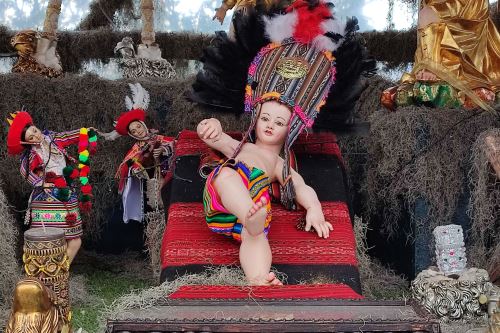
Christmas is composed of various elements, but not all of them come from the same source. Luke narrates episodes that are unknown to Matthew and vice versa. Other elements have been added by later tradition. The article compares the accounts of Luke and Matthew and highlights the different motivations of the two evangelists.
Energy Transition or Energy Diversification?

Due to the reality of the Bolivian energy sector, various arguments advocate for an energy transition rather than mere “diversification” or a simple change in the energy mix, as the new Minister of Hydrocarbons intends.
Metaphysics and Physics Facing the Preferential Option for Matter

The article advocates for a balance between physics (which explains the “how”) and metaphysics (which seeks the ultimate “why”). A recent LHCb discovery at CERN potentially explains why, after the Big Bang, matter survived while almost no antimatter did (instead of mutually annihilating). Although the evidence remains preliminary, it strengthens the idea that the universe exhibited a “preferential option for matter” by breaking fundamental symmetries, keeping both the scientific enigma and the vibrant frontier between physics and metaphysics very much alive.
Energy crisis or hydrocarbon crisis?

With the imminent collapse of YPFB, some proposals to refound Bolivia’s largest public company are being analyzed and it is suggested that the opportunity of the hydrocarbon crisis be used to promote the country’s energy transition.
The Nobel Prize in Economics and the Role of the State in R&D

The Nobel Prize in Economics awarded to Mokyr, Aghion, and Howitt for their work on endogenous growth through “creative destruction” has sparked debate about the role of the state in research and development (R&D). Endogenous growth, driven by internal factors like human capital and innovation, contrasts with exogenous growth reliant on external resources. Creative destruction describes how new innovations replace outdated products, as seen in the evolution of cell phones. While the laureates advocate limiting the state’s role to protecting smaller innovators, examples like China’s state-driven R&D success and the U.S.’s public-funded military-industrial research highlight the state’s importance. In developing nations like Bolivia, the state should fund basic research, leaving application to efficient private companies to foster innovation and critical thinking among youth.
Sowing friendships

In this column I reflect on cultivating friendships throughout life. I prefer to visit friends rather than do conventional tourism, practicing hospitality and maintaining ties with people from different stages and countries. I highlight a talk about my late tutor, Bruno Touschek, in a school titled to his memory, rekindling meaningful memories and connections.
Lourdes
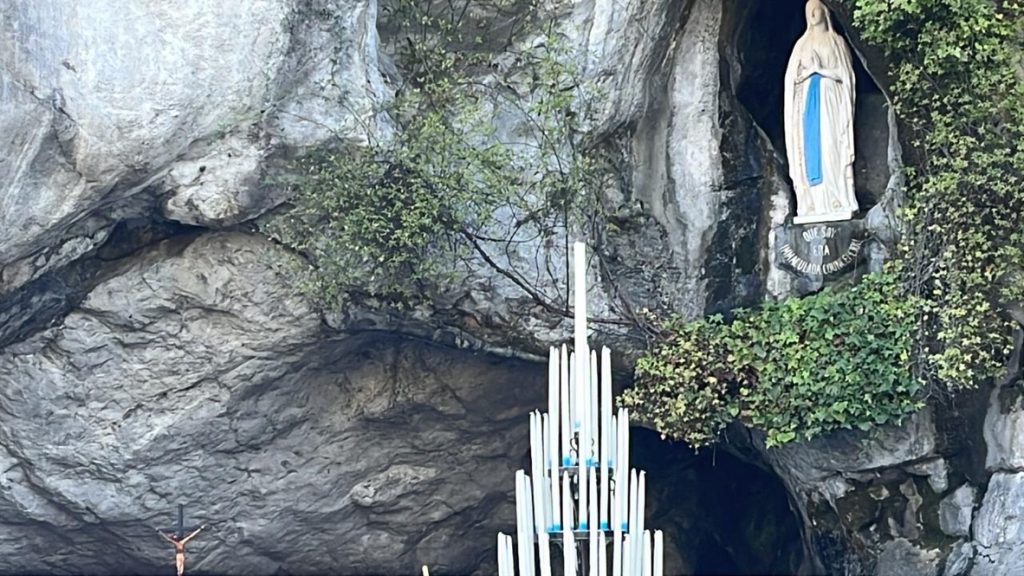
Lourdes is much more than the 72 miracles certified in 167 years since the apparitions of the Virgin to Bernadette Soubirous in 1858.
Lourdes, an important Christian destination, is characterized by its purifying water, its spiritual climate of peace and ceremonies such as the torchlight procession.
In addition to physical healings, the author experienced personal “other miracles”: a reunion with a Bolivian friend in Paris, an unexpected seat at a packed Mass with cancer survivors like himself, and the miraculous recovery of a lost hearing aid. A prayer for the healing of Bolivia from populism could not be missing, trusting in a change with the new government.
The Council of Nicaea and the Heresies of the MAS: An Analogy
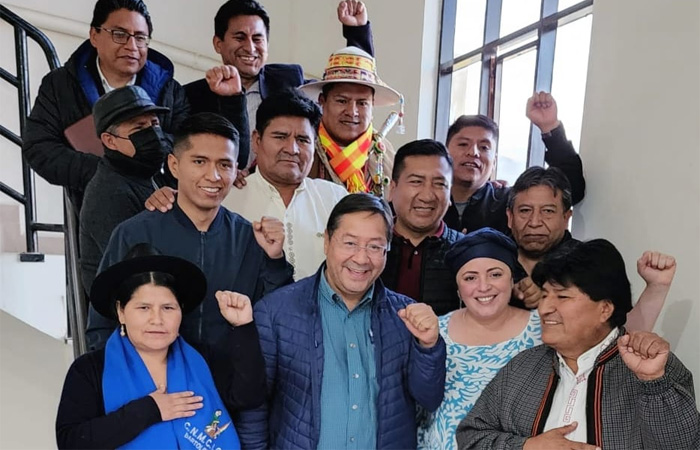
As at the time of the Council of Nicaea, today in Bolivia the problem of that religious congregation that is the “Grupo de Puebla” is the heresies of the Movement Towards Socialism, MAS, based on mutiny to the absolute power of “father Evo”, the timid rebellion of the “son Andronico” and the rout of the patriarchs (David and Lucho), whereas the disoriented disciples wander toward new horizons of (Rodrigo) Paz.