
To Lift One’s Gaze

The violent protests, spearheaded by teenagers and young people in Europe, have sociological, political, technological, and spiritual roots. Beyond partisan manipulation, an existential perspective is necessary to explain the unrestrained anger of the new generations, who are incapable of lifting their gaze from screens toward tangible reality, others, and transcendental values.
The Artificial Intelligence Tower of Babel

Artificial Intelligence is the new Tower of Babel, insofar as it seeks to achieve a form of uniformity and control through technology, but risks disregarding human freedom, diversity, and ethical values.
Autopsy of a Subsidy

The Bolivian government has eliminated the costly subsidy on diesel oil in an effort to bring fuel prices in line with their actual costs. Although the measure seeks to restore public finances, amid social resistance, economic adjustments, and external geopolitical conflicts, questions remain about the future of the other subsidies currently in force in the country—gasoline, LPG, natural gas, and CNG.
Bolivia and the Vatican Between Two Centenaries

Some milestones in the relations between Bolivia and the Vatican over the past century are described, from the appointment of the first nuncio to the renewed form of coexistence in our days.
Bolivia and the Vatican: From Symbiosis to Full Relations (1877-1925)

The evolution of diplomatic relations between Bolivia and the Holy See between 1877 and 1925 passed through stages of collaboration, strong controversies, and the establishment of full relations. Two figures stand out for different reasons: future Cardinal Pietro Gasparri and Internuncio Rodolfo Caroli.
Relations between Bolivia and the Vatican: An Approach to Their “Prehistory”

This article examines the “prehistory” of diplomatic relations between Bolivia and the Holy See (1825–1877). Through a review of key milestones, such as the failed ratification of the 1851 Concordat, it concludes that it was only in 1877, with the appointment of Monsignor Mario Mocenni, that the beginning of bilateral relations was formally consolidated, thereby establishing the starting point for the forthcoming sesquicentennial of this diplomatic relationship.
Between Self-Defense and Revenge
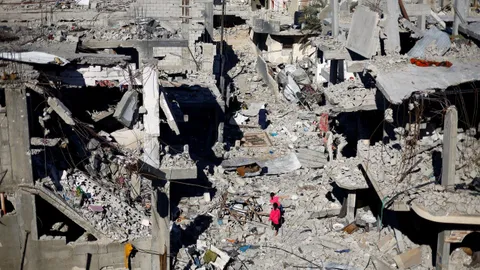
The conviction of an Italian jeweler for killing two fleeing robbers underscores the contentious divide between self-defense and vigilante justice. By ruling that his disproportionate use of force constituted a crime rather than protection, the court emphasized that maintaining the rule of law requires rejecting extrajudicial retaliation, a principle that serves as a vital, if challenging, benchmark for both personal conduct and global geopolitical stability.
He Couldn’t Speak, But He Sang at the Top of His Lungs
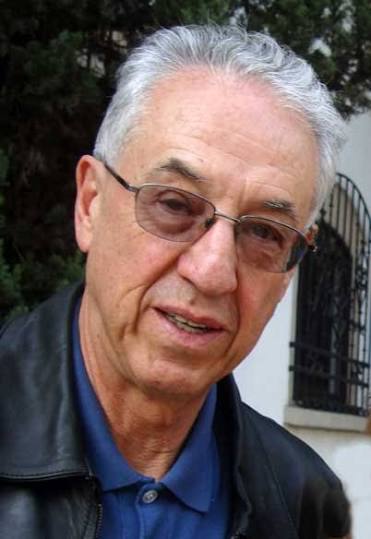
Antonio Araníbar Quiroga was an upright apostle of politics and a martyr for democracy who endured decades of exile with dignity. Personal memories of the austerity of his private life, our professional collaboration, and the moving sight of him singing the national anthem despite his physical limitations at the end of his life highlight an admirable public figure who leaves an indelible mark on the history of Bolivia.
The Pantry

The historical evolution of the pantry, from its origins as a fundamental physical space for survival against environmental hardships to its current reinterpretation as a metaphor for financial planning during retirement, culminates in the realization that true human security lies in cultivating a legacy of imperishable values, the ultimate provision against the finitude of existence.
Mario Argollo and Donald Trump: Parallel (Wasted) Lives
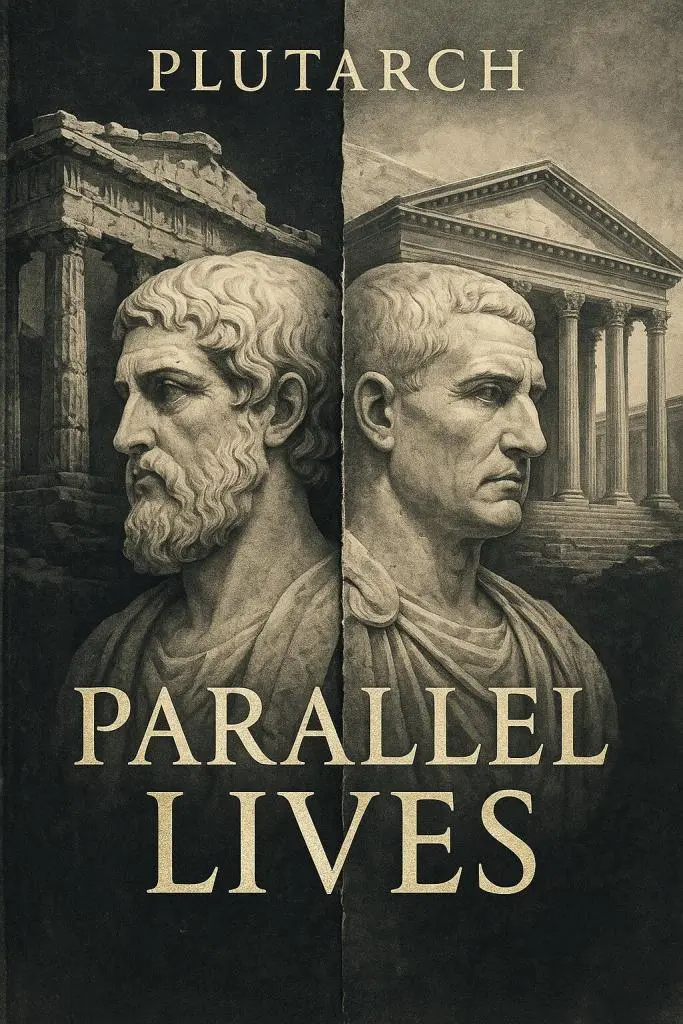
There is a critical parallel between Mario Argollo, leader of the Central Obrera Boliviana, and Donald Trump, in that both have undertaken destructive social and geopolitical conflicts driven by questionable motivations and using similar strategies. After failing in their initial objectives and encountering unexpected resistance, both figures are seeking a negotiated exit to preserve their own political survival in the face of the attrition of their respective conflicts.