
Bolivia and the Vatican Between Two Centenaries

Some milestones in the relations between Bolivia and the Vatican over the past century are described, from the appointment of the first nuncio to the renewed form of coexistence in our days.
Bolivia and the Vatican: From Symbiosis to Full Relations (1877-1925)
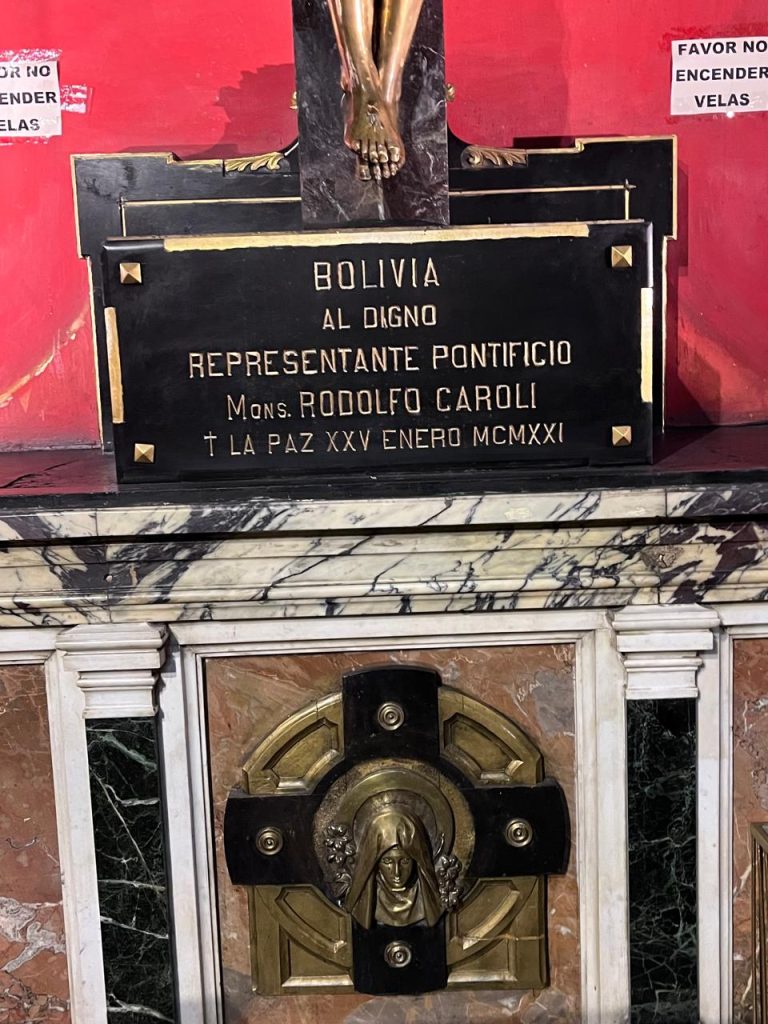
The evolution of diplomatic relations between Bolivia and the Holy See between 1877 and 1925 passed through stages of collaboration, strong controversies, and the establishment of full relations. Two figures stand out for different reasons: future Cardinal Pietro Gasparri and Internuncio Rodolfo Caroli.
Relations between Bolivia and the Vatican: An Approach to Their “Prehistory”
This article examines the “prehistory” of diplomatic relations between Bolivia and the Holy See (1825–1877). Through a review of key milestones, such as the failed ratification of the 1851 Concordat, it concludes that it was only in 1877, with the appointment of Monsignor Mario Mocenni, that the beginning of bilateral relations was formally consolidated, thereby establishing the starting point for the forthcoming sesquicentennial of this diplomatic relationship.
The Pantry

The historical evolution of the pantry, from its origins as a fundamental physical space for survival against environmental hardships to its current reinterpretation as a metaphor for financial planning during retirement, culminates in the realization that true human security lies in cultivating a legacy of imperishable values, the ultimate provision against the finitude of existence.
The Thucydides Trap and Bolivian Politics
The Graham Allison’s “Thucydides Trap”—the historical tendency for established powers to clash with rising ones— is applied to analyze contemporary challenges in Bolivia, specifically regarding political governance and the energy transition.
The Anarchist Prince Who Challenged Darwin, Lenin, and Leo XIII
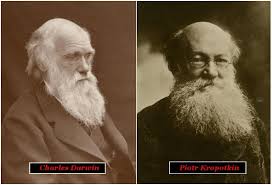
Piotr Kropotkin, a naturalist and anarchist thinker, refuted the distortion of Social Darwinism by demonstrating that cooperation and mutual aid are essential biological factors for survival, beyond mere competition. In his work, he challenged both savage capitalism and authoritarian statism and hierarchies. His legacy resonates today in cooperative structures such as those in Bolivia and proposes a third way against extreme individualism and state control, centered on reciprocal aid for the common good.
Pope Francis: His Legacy One Year After His Departure
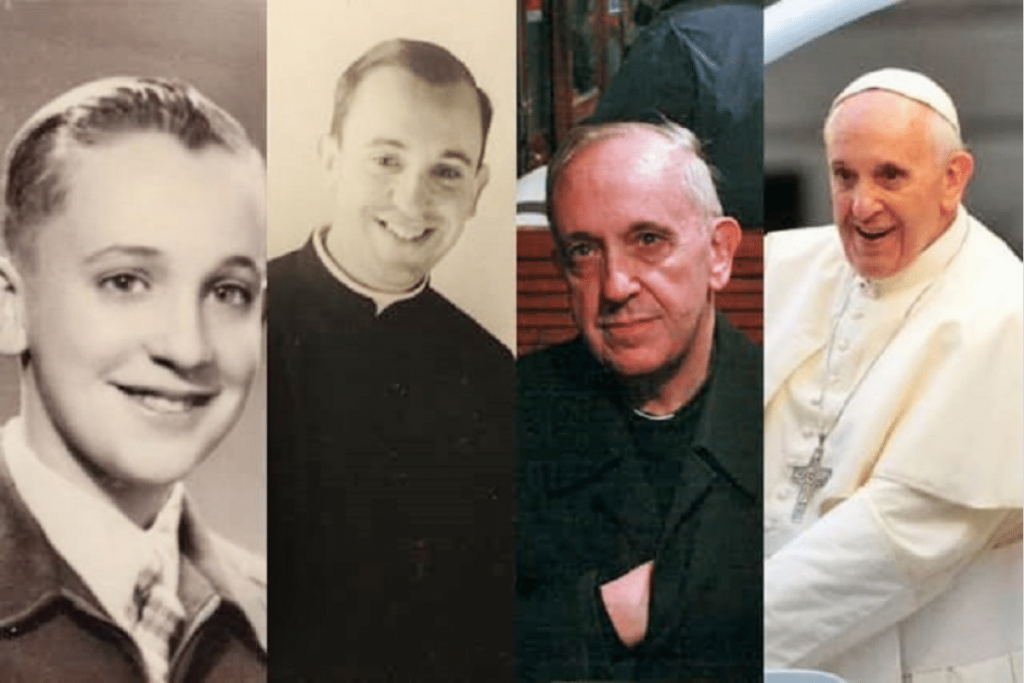
My tribute to Pope Francis on the first anniversary of his death, through this column that synthesizes the lecture I gave at the Saint Jerome Seminary in La Paz. Francis was a pontiff who profoundly renewed the life of the Church and provided fundamental guidance to humanity.
The Royal Physician Who Lost His Head for the Queen and the Enlightenment

n 1770, J.F. Struensee rose from royal physician to “de facto” regent of Denmark and, in just two years, pushed through radical reforms in line with the Enlightenment. When his affair with the Queen became known, he was beheaded in 1772. Although his reforms were reversed, his legacy endures in today’s progressive Denmark.